
The Link Between Physical Fitness and Leadership Performance
January 5, 2026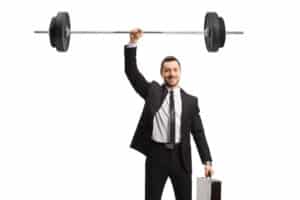 In today’s fast-paced corporate environment, leadership performance is often measured by strategic thinking, decision-making, and the ability to perform under constant pressure. While leadership development traditionally focuses on skills like communication and emotional intelligence, one critical factor is often overlooked: physical fitness. Increasingly, research and real-world experience show that physical fitness plays a direct role in how effectively leaders perform.
Mental Clarity and Decision-Making
Leadership requires making high-stakes decisions, often with incomplete information and under tight deadlines. Regular physical activity improves blood flow to the brain, supporting sharper focus, faster information processing, and improved memory. Leaders who maintain consistent fitness routines often report clearer thinking and better problem-solving abilities. Exercise also reduces mental fatigue, allowing leaders to stay mentally engaged for longer periods during demanding workdays.
Stress Management and Emotional Resilience
Stress is unavoidable in leadership roles. Deadlines, financial pressure, and team management can take a toll on even the most experienced executives. Physical fitness is one of the most effective tools for managing stress. Exercise triggers the release of endorphins, which help regulate mood and reduce anxiety. Fit leaders tend to recover from setbacks more quickly, maintain composure during conflict and model emotional stability for their teams. This resilience is essential for leading confidently during times of change or uncertainty.
Energy, Stamina and Consistency
Leadership performance is not about short bursts of productivity. It’s about sustaining high performance over time. Regular exercise improves cardiovascular health, sleep quality and overall energy levels. Leaders who prioritize fitness often experience fewer energy crashes and greater endurance throughout the workday. This consistency enables them to remain present, attentive and decisive from morning meetings to late-day strategy sessions.
Confidence and Executive Presence
Physical fitness also influences how leaders carry themselves. Improved posture, body language and overall vitality contribute to stronger executive presence. Leaders who feel physically strong often project confidence and credibility, which positively impacts how they are perceived by employees, clients and stakeholders. Confidence rooted in physical well-being is not superficial. It reinforces self-discipline, commitment and personal accountability.
Leading by Example
Perhaps most importantly, leaders set the tone for organizational culture. When leaders prioritize physical fitness, they signal that health and performance go hand in hand. This encourages employees to adopt healthier habits, reducing burnout and improving overall workplace morale. A leader who values fitness demonstrates balance, discipline and long-term thinking; qualities that resonate throughout the organization.
Conclusion
Physical fitness is not a luxury or a personal hobby reserved for free time. It is a strategic advantage for leaders who want to perform at their best. By supporting mental clarity, emotional resilience, sustained energy and confident presence, fitness directly enhances leadership effectiveness. Organizations that encourage leaders to prioritize physical well-being are investing not only in healthier individuals, but in stronger, more resilient leadership overall.